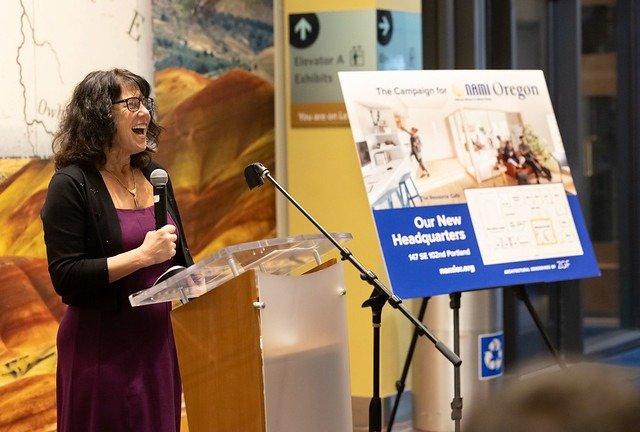
Sharon Meieran, M.D., J.D.
Forging a career and family: I was born in Palo Alto, the daughter of Gene Meieran, a scientist/mineral collector, and Roz Meieran, an artist/sociologist. I majored in Economics and English at UC Berkeley, went directly to law school and practiced law in the Bay Area. I developed an expertise in trademark and copyright law and volunteered in children’s advocacy and family law.
At age 30, I decided to pursue my true dream of becoming a doctor. I took pre-med classes while working as a lawyer, volunteering at a public health clinic and serving as a Court Appointed Special Advocate (CASA), while intensively studying Spanish.
I met my husband, Fred, at UCSF medical school. We did international health work and interned at the Native Medical Centre in Anchorage. We completed our emergency medicine residencies in Cincinnati, where our two children were born.
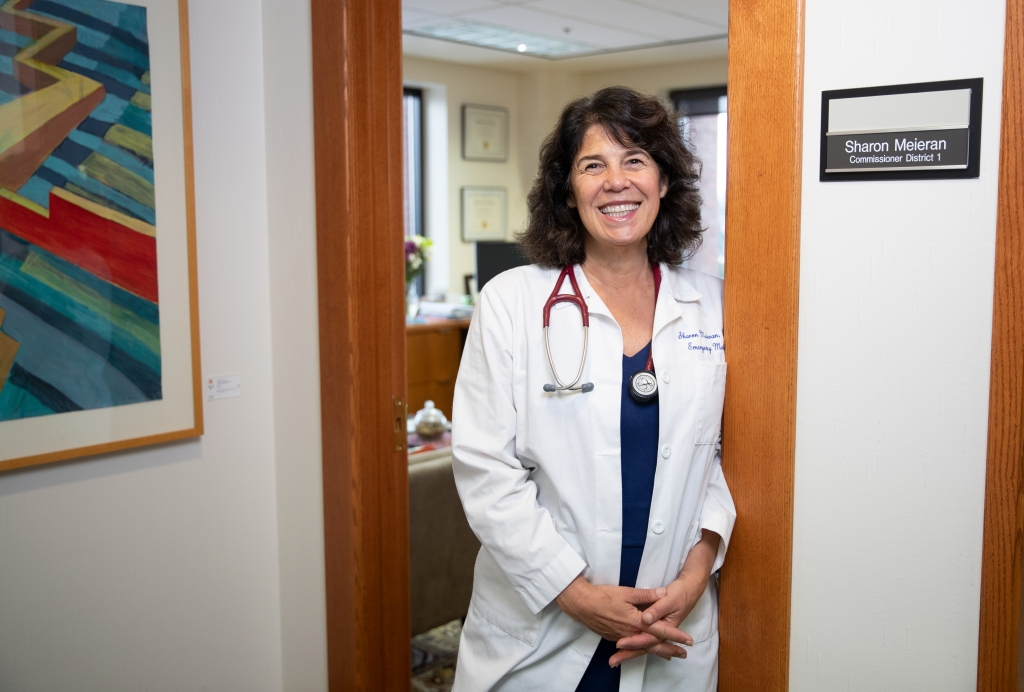
Expanding my advocacy: Settling in Southwest Portland, we went to work as ER doctors and began caring every shift for people who fall through the cracks in our health and welfare systems.
So I began seeking common sense solutions.
As medical director for the Oregon Foundation for Reproductive Health, I championed the approach to decreasing unwanted pregnancies by simply asking female patients One Key Question: Would you like to become pregnant in the next year, and guiding their care from there.
At the state level, I worked on policy involving addiction, mental illness, and coordination of care, including three new approaches that were enacted:
- The Emergency Department Information Exchange (EDIE), which enabled clinicians and hospitals across Oregon to identify and coordinate care for people cycling through ERs, improving care while saving money.
- A statewide opioid prescribing policy for hospital ERs, long before the media and the public caught on to mounting prescription opioid overdoses and deaths.
- The Prescription Drug Monitoring Program (PDMP) - a statewide information sharing system to understand prescribing patterns at the meta and the individual level.
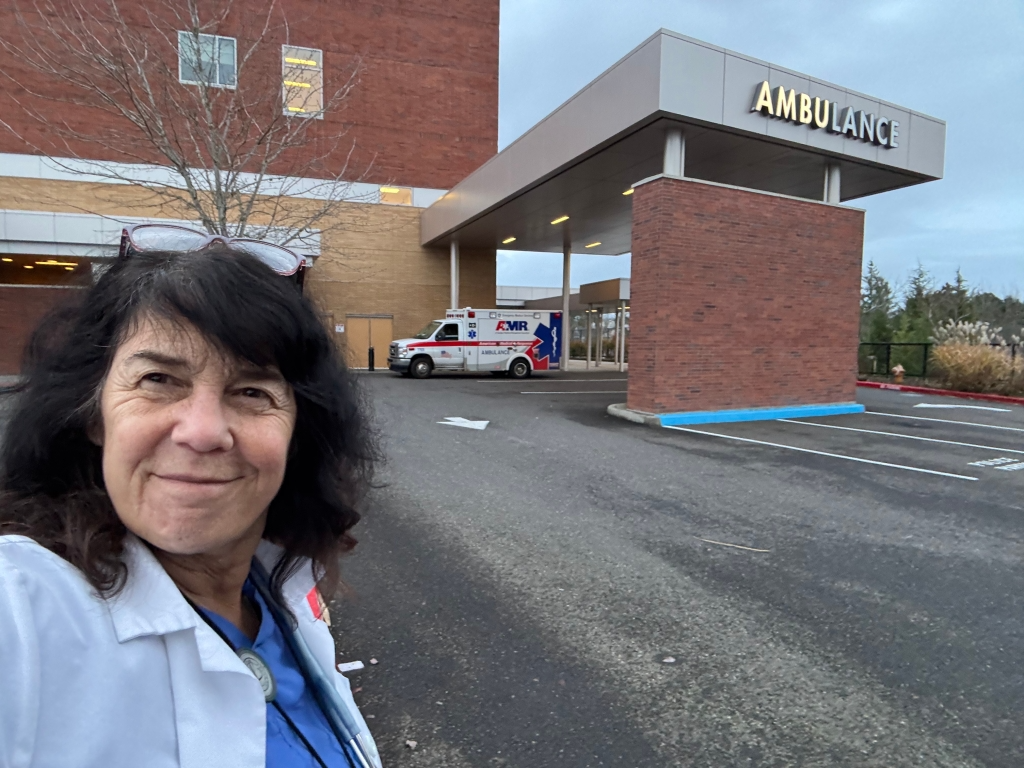
Later I served on the original Community Oversight Advisory Board (COAB) overseeing the city of Portland’s agreement with the Department of Justice to address police use of force against people in mental health crises.
Building a reputation: I became known for collaboration, leadership, tenacity, an ability to understand connections and see the big picture, and a willingness to speak the truth, always focusing on the people facing the problems, compassion and empathy.
Honors followed, including the Oregon Emergency Physician of the Year, the Oregon Medical Association Doctor Citizen of the Year, and, in 2024, the Gordon and Sharon Smith New Freedom Award.
But the more people I connected with in the ER and in the community, the more I realized the impossibility of accomplishing the systems-level changes needed to address both root causes and crises related to homelessness, mental illness, and public safety as an individual physician.
Running for office: In 2016, I was elected as the Multnomah County Commissioner representing District 1. My priorities were:
- Behavioral health systems transformation.
- Addressing homelessness.
- Ensuring good governance.
- Strengthening public health.
Learning hard lessons: During my eight years on the County board, I came to understand both the potential of our local government to address our community’s challenges and why it is failing to do so.
I sought to bring my experience to the County to inform policy. But I realized that what I hoped were constructive suggestions were often taken as personal criticism.
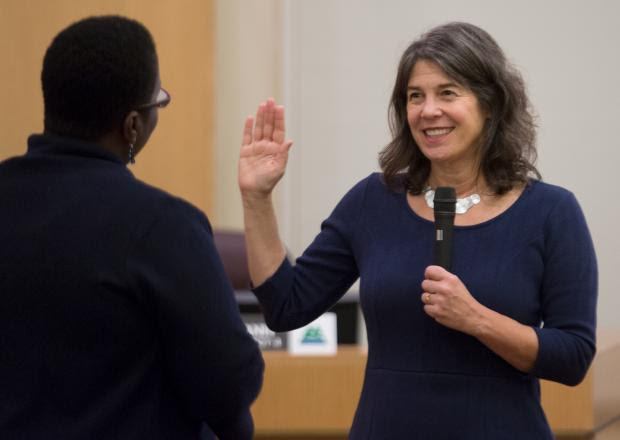
I came to understand the flaw in our county system:The chair alone has exclusive authority to write the $4 billion budget, set board agendas include or exclude commissioners from policy conversations, serve as gatekeeper for all county data and information, and select department chairs and other key personnel.
The result: dissenting voices were often marginalized and supporters were rewarded. Fear of retaliation took root.
Gaining key insight: Because the County was well funded for decades with mostly manageable stressors, I realized that it had been able to sail on without substantive reform.
The confluence of the COVID pandemic, the racial reckoning in the wake of George Floyd’s murder, and the fentanyl crisis exposed the inadequacies. That’s when human services became the most critical need. And we did not have the structure or systems in place to deliver.
So I worked to change that. This included calling out the needs for reform and commissioning studies and reports to guide it.